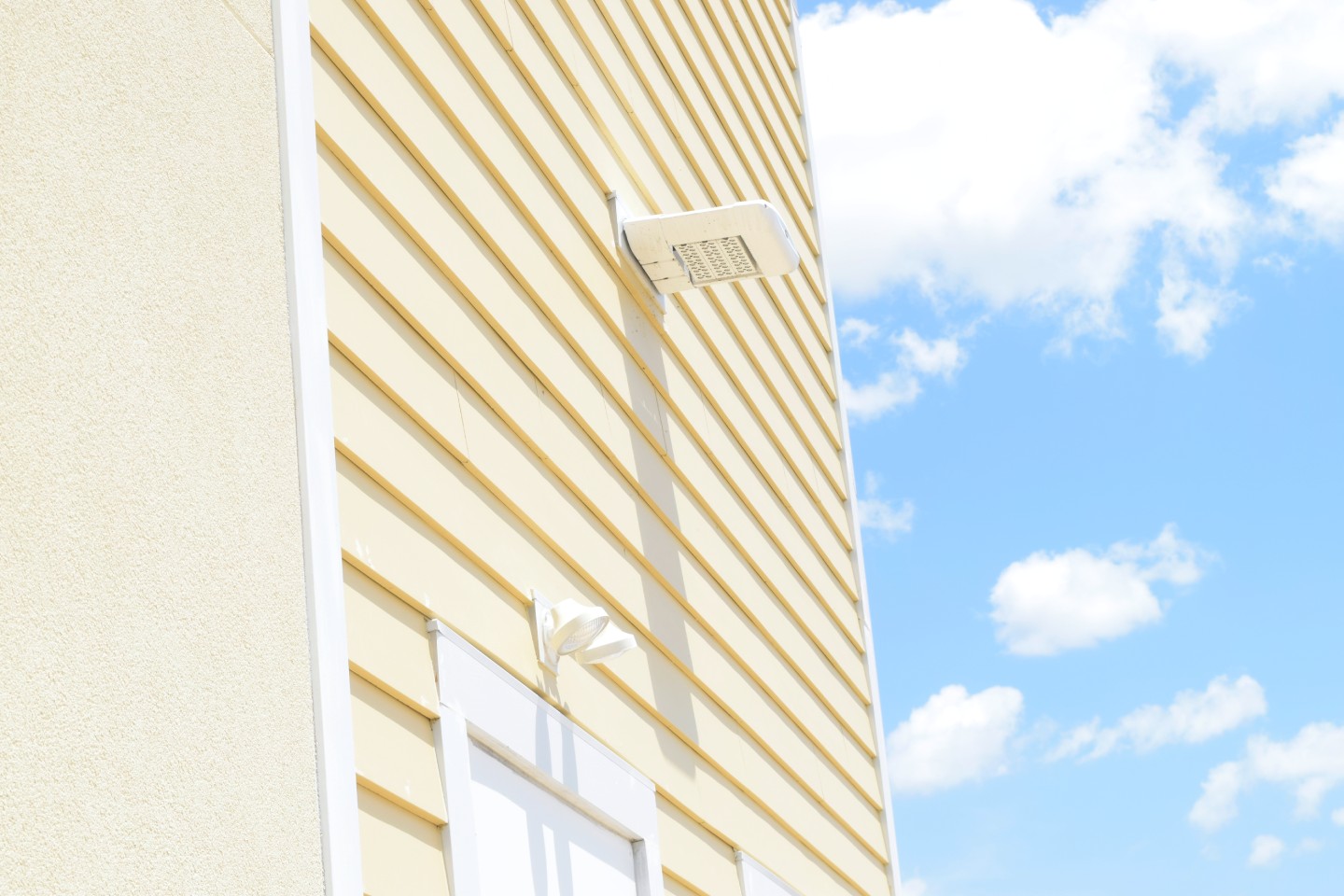
Vinyl sidings require little attention, which makes these sidings a top choice among homeowners. All you need to do is take some mild soap and a garden hose to get your vinyl siding free from dirt and debris. Also, this needs to be done just once or twice a year. Vinyl siding also does not require painting or staining and hence goes easy on your pockets. So, when you do not have to spend on the material and labor for maintaining the sidings, you save money and also your time that can be invested in something better.
Vinyl sidings are a cost-savior alternative for people with a limited budget for siding installation. Compared to wooden sidings, brick sidings, and fiber cement sidings, these are comparatively cheaper and can help in achieving aesthetics and protection at affordable prices.
Vinyl siding is highly durable and can last for a period of 20 to 40 years. They do not fade easily nor corrode and require minimal maintenance. Vinyl siding is also resistant to moisture, cracks, rot, warping and dents and thus serves as a highly durable option for siding installations.
Vinyl sidings reduce heat transfer through walls, enhancing the thermal performance of homes which saves energy usage and your money both. Furthermore, insulated vinyl siding minimizes air leakage and boosts the performance of the heating and cooling system of homes. This shows up considerably in your energy bills and thus makes you eligible to reap energy-efficient incentives.
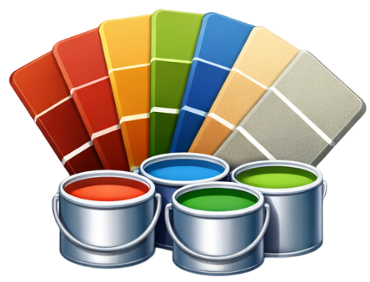
Available in a wide range of color selections, vinyl siding is your go-to option if you are particular about the color scheme. From classic to neutral and trendy shades, vinyl sidings come in almost every color to upgrade your home with colors tailored to your taste and preference.